What Makes a Great Japanese Garden Photograph?
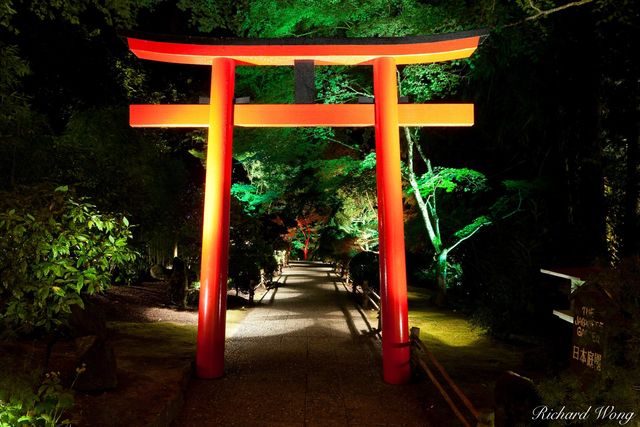
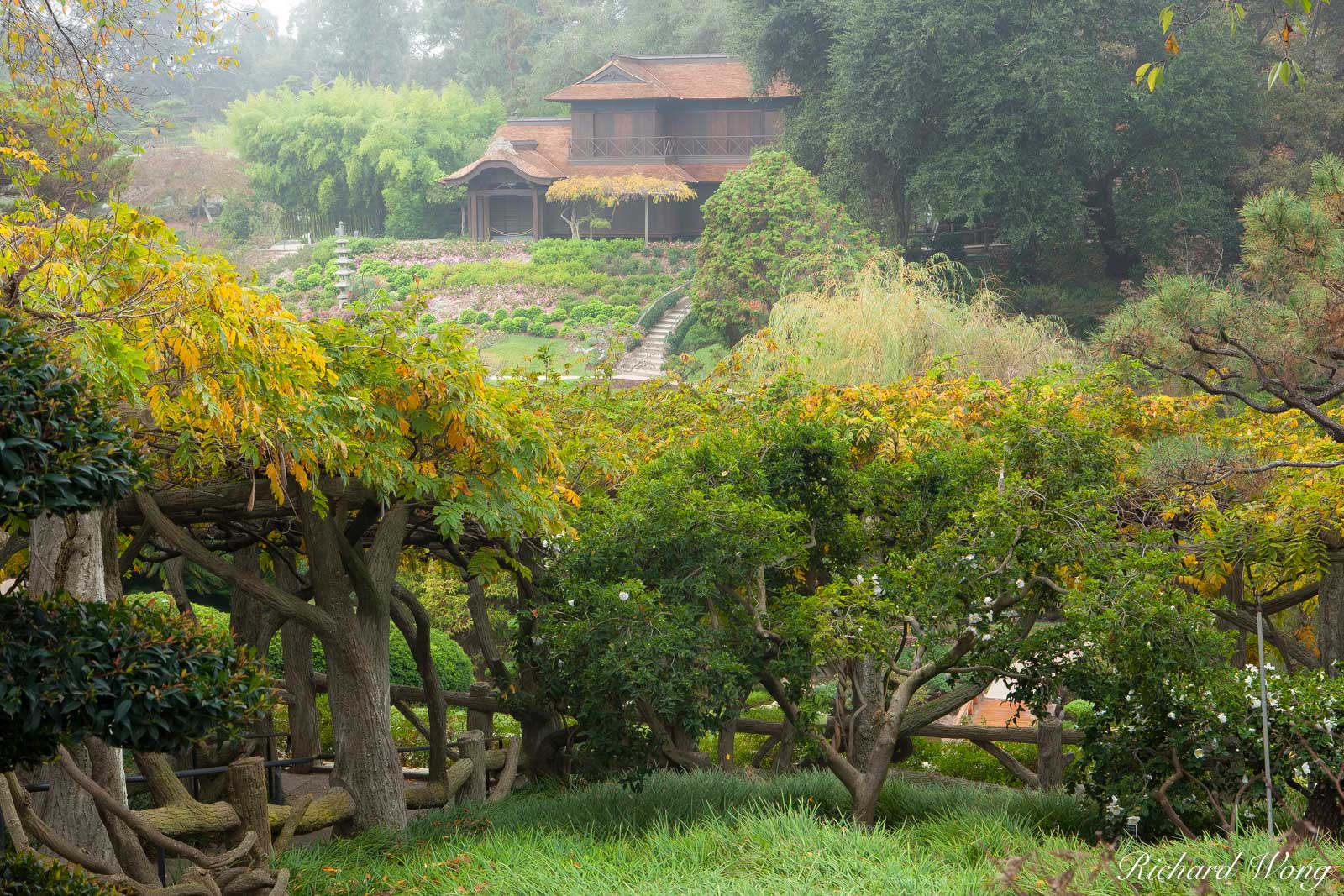
A great Japanese garden photo captures harmony, tranquility, and deliberate design by focusing on leading lines, balance, and negative space. These elements work together to convey the contemplative atmosphere that defines Japanese garden aesthetics.
Composition Techniques for Capturing Serenity
Japanese garden photography requires thoughtful compositional approaches:
- Leading lines: Use pathways, bridges, and streams to guide the viewer's eye through the frame and create depth.
- Balance and symmetry: While Japanese gardens often embrace asymmetry (a principle of wabi-sabi), finding visual balance between elements creates harmonious compositions.
- Negative space (Ma): The concept of ma—meaningful emptiness—is essential in Japanese aesthetics. Leave breathing room in your compositions to emphasize tranquility.
- Framing: Use natural elements like bamboo stalks, maple branches, or architectural features to frame focal points.
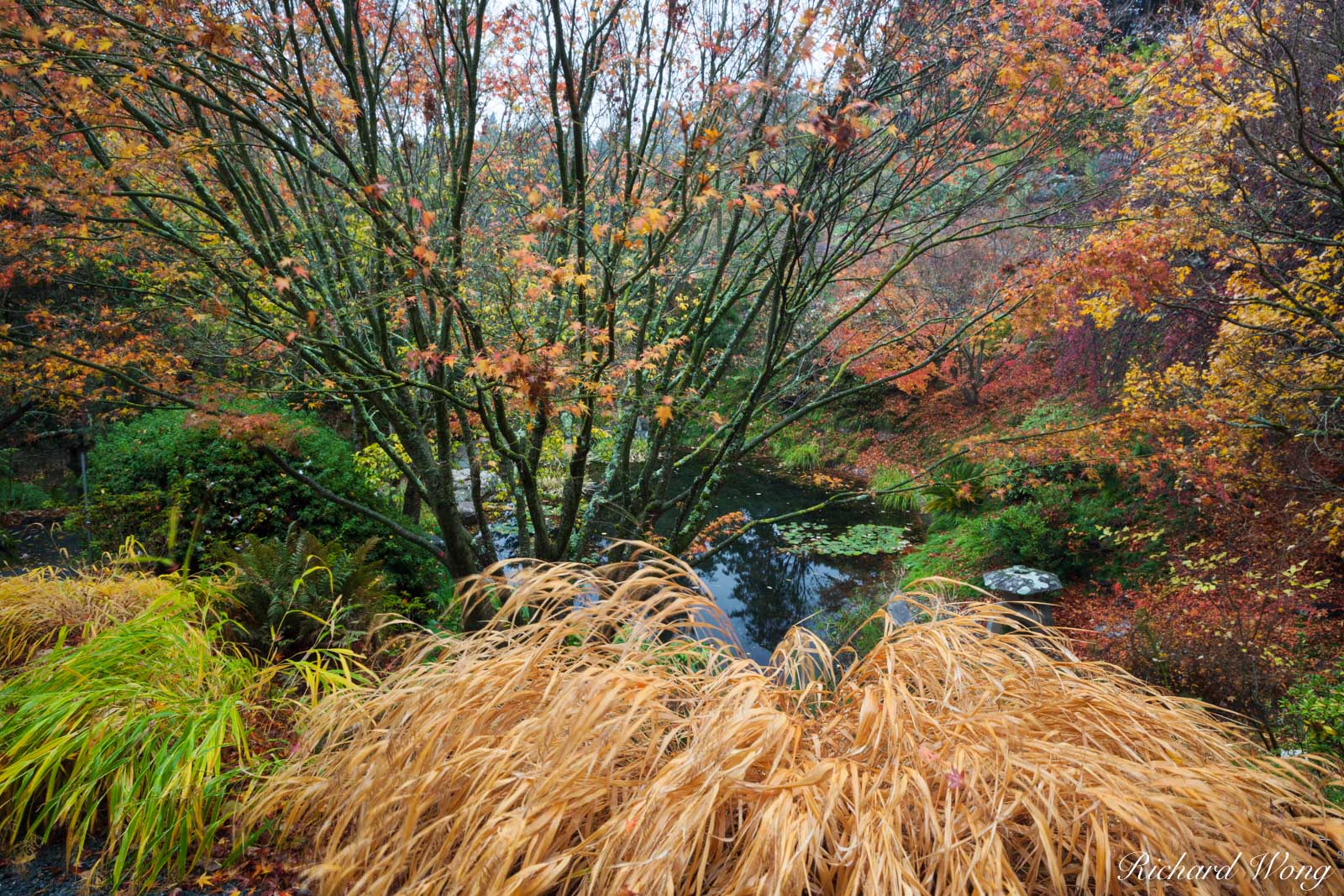
- Reflections: Capture mirror-like reflections in still ponds to double the visual impact and emphasize the garden's peaceful nature.
- Borrowed scenery (Shakkei): Incorporate distant landscapes or mountains visible from the garden into your compositions, following traditional design principles.
Key Elements to Photograph in Japanese Gardens
Each garden element offers unique photographic opportunities:
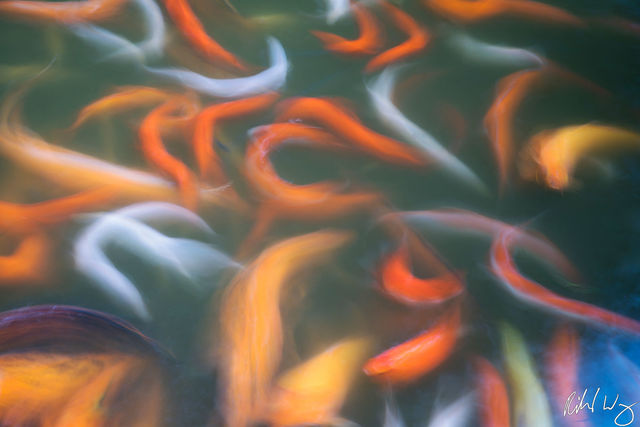
- Water features (ponds, streams, waterfalls): Use long exposures to create silky water effects. Capture koi fish beneath the surface and reflections of surrounding foliage.
- Bridges and stepping stones: These transitional elements lead the eye and add compositional interest. Arching moon bridges create elegant curves against still water.
- Rocks and boulders: Emphasize their weathered textures and deliberate placement. In karesansui gardens, these represent mountains and islands.
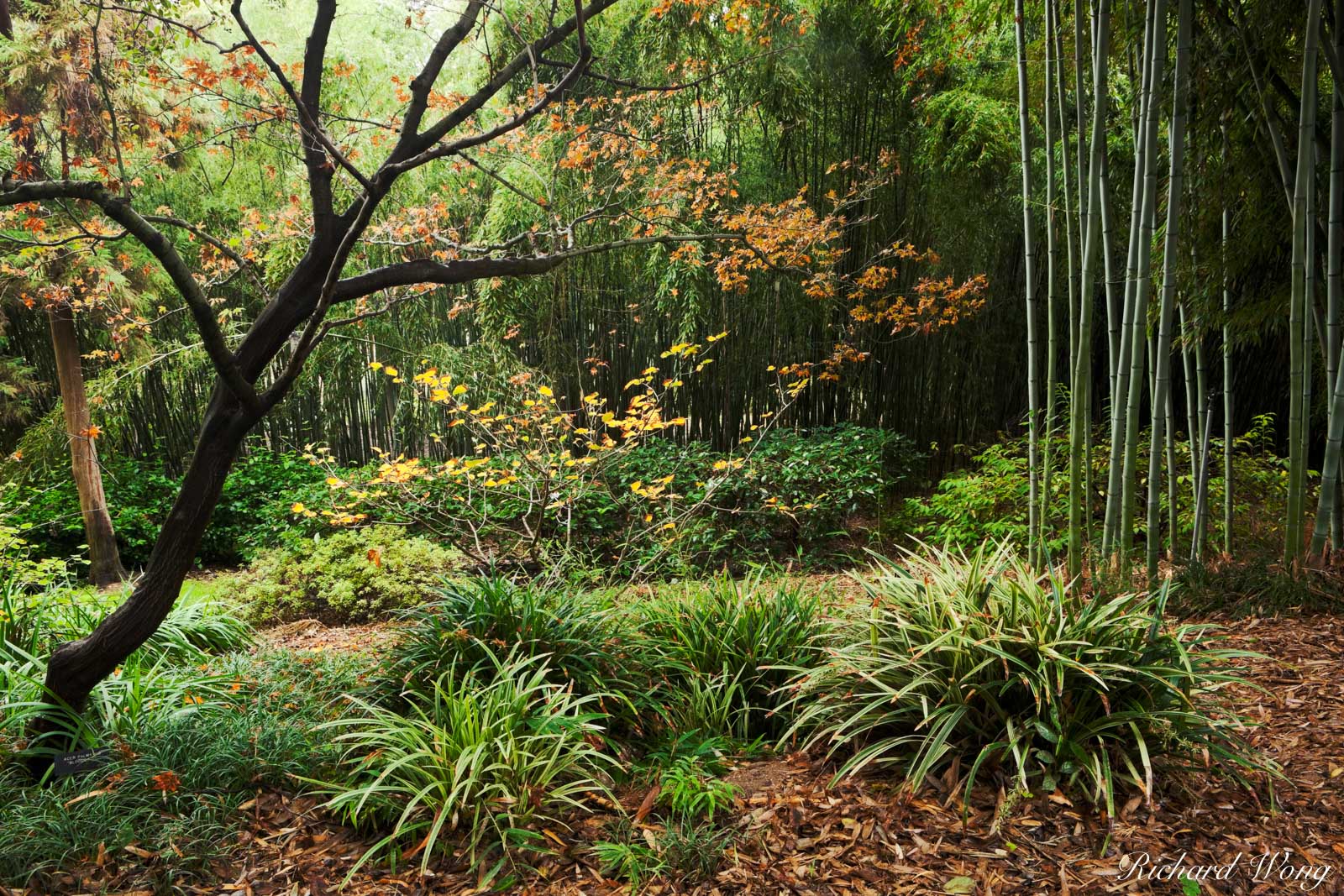
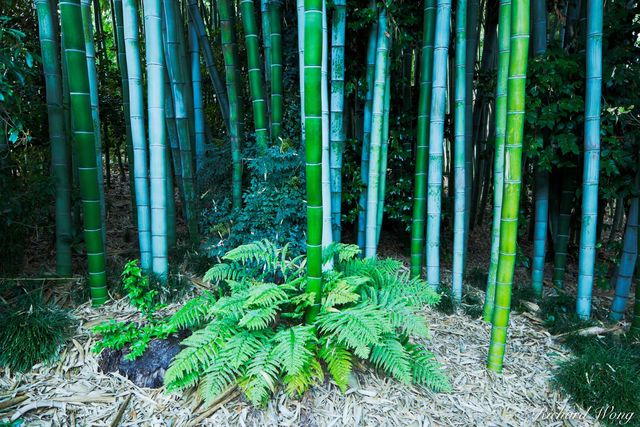
- Bamboo groves: Capture the serene rhythm of vertical stalks and filtered light. The weathered quality of older bamboo celebrates natural aging.
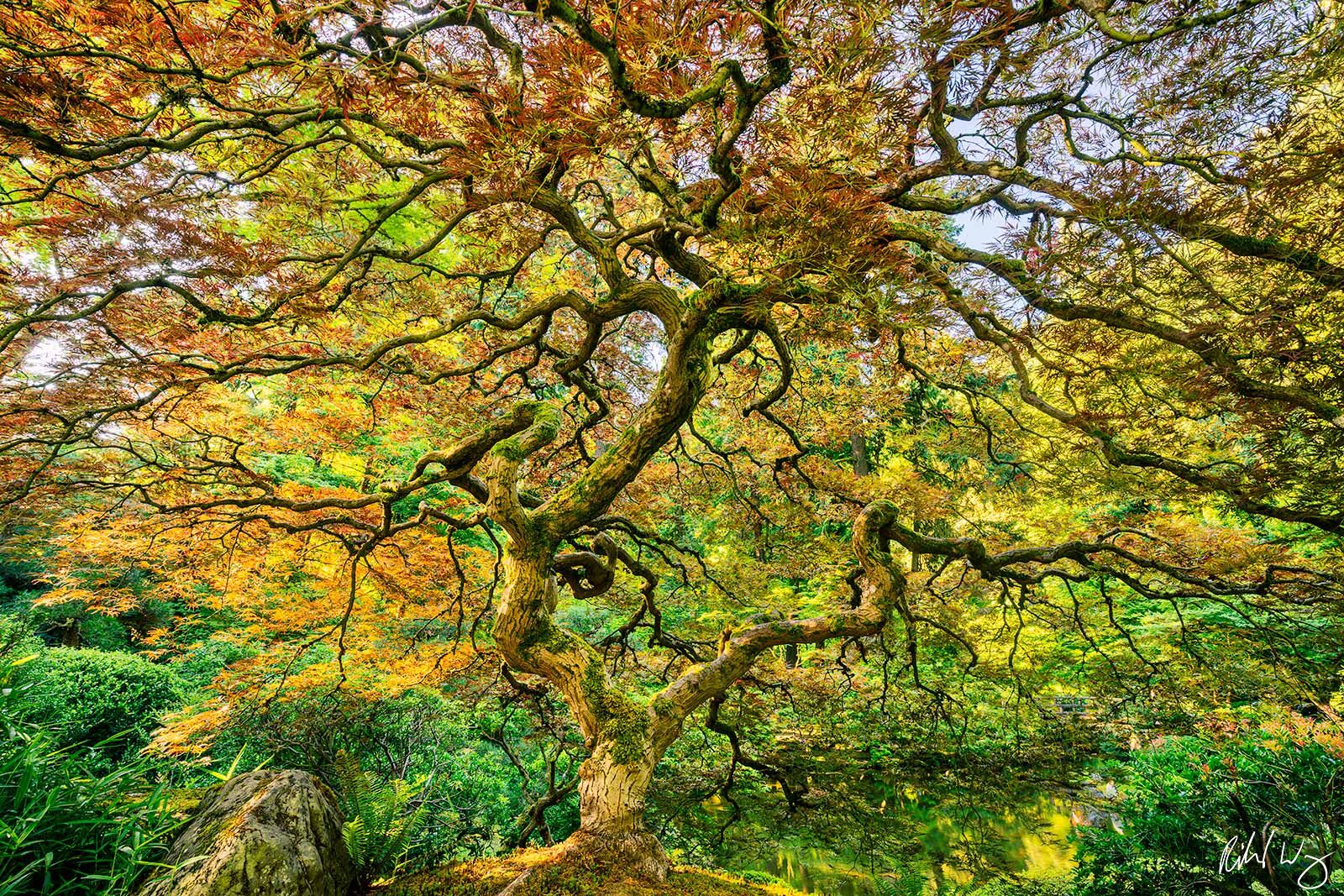
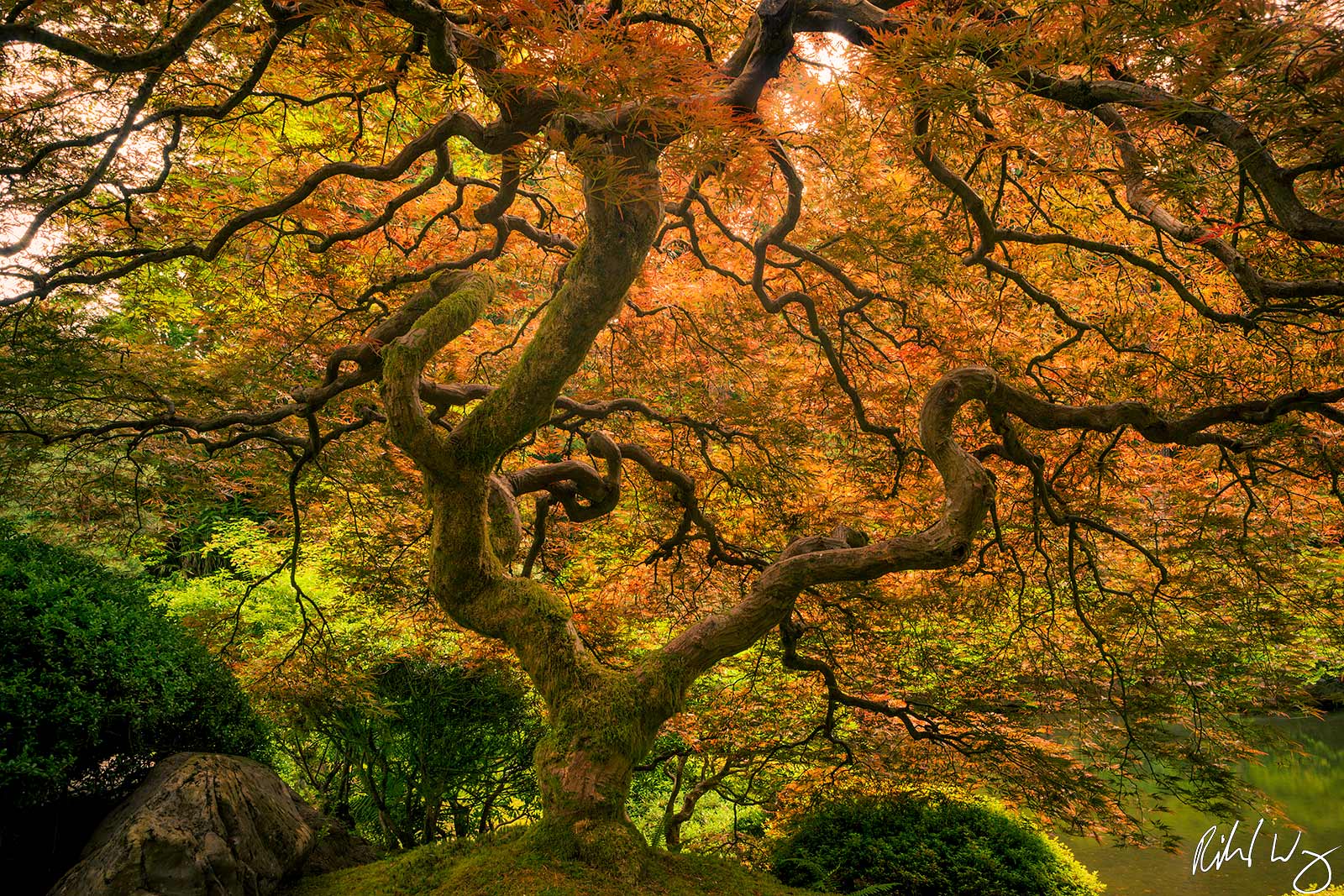
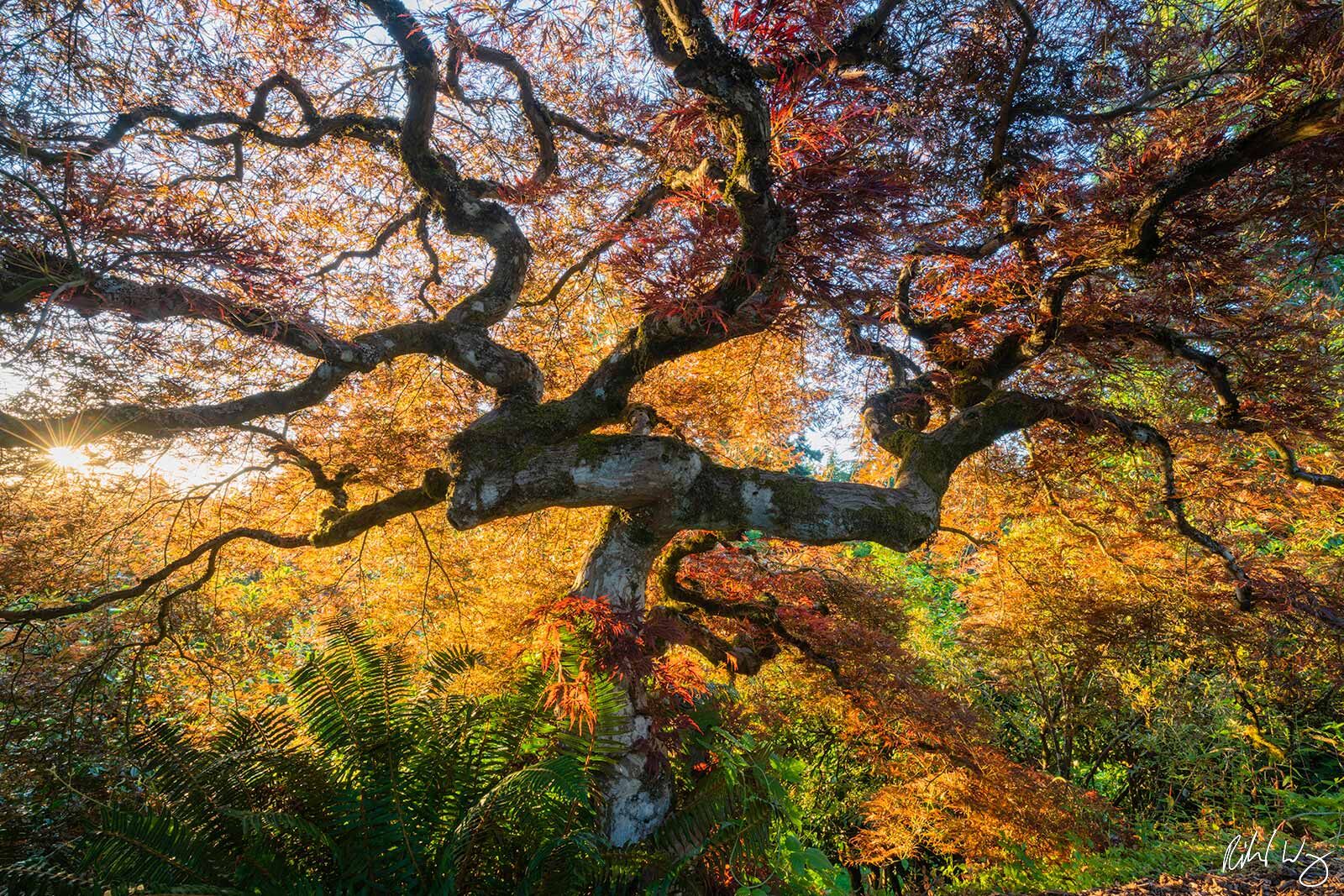
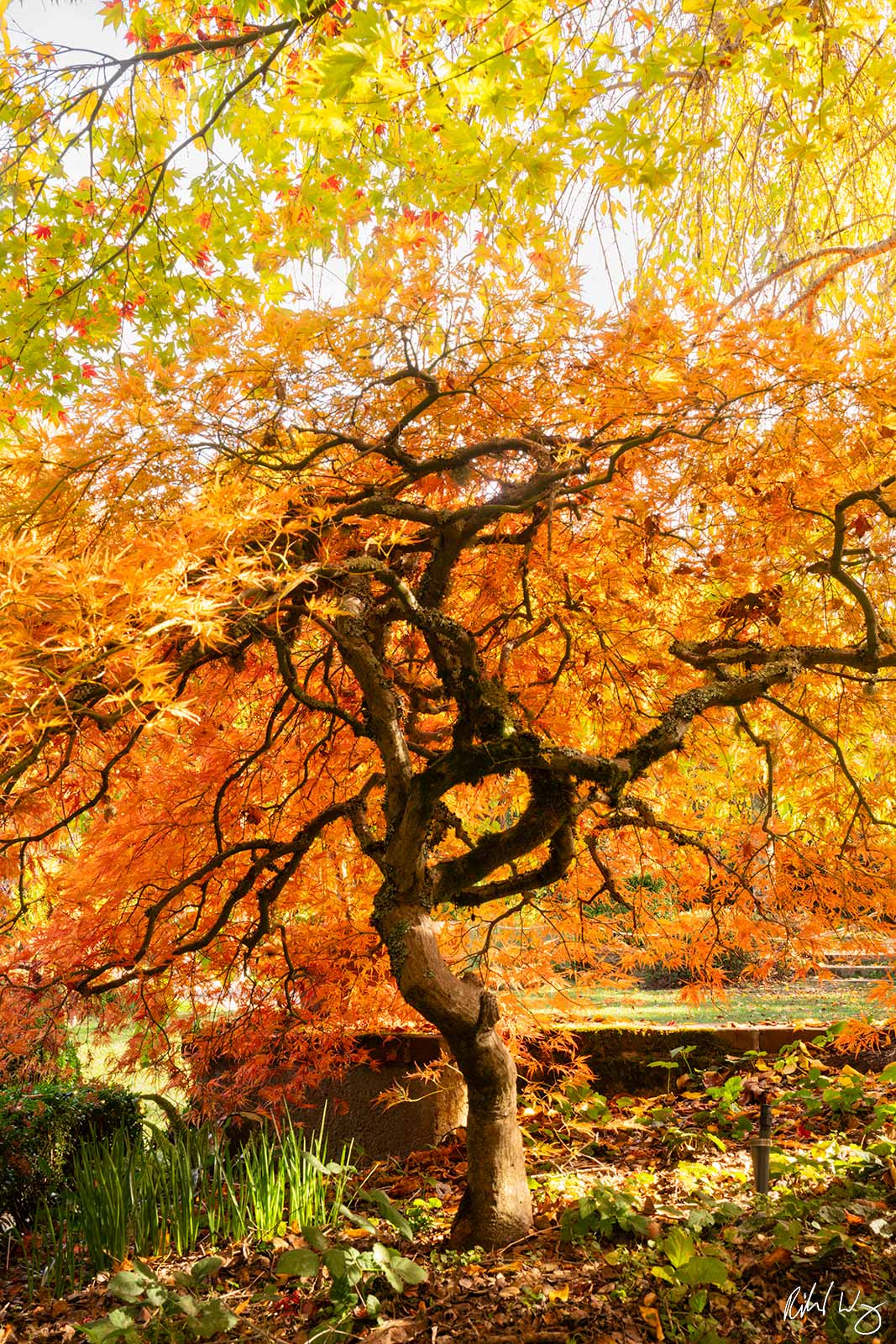
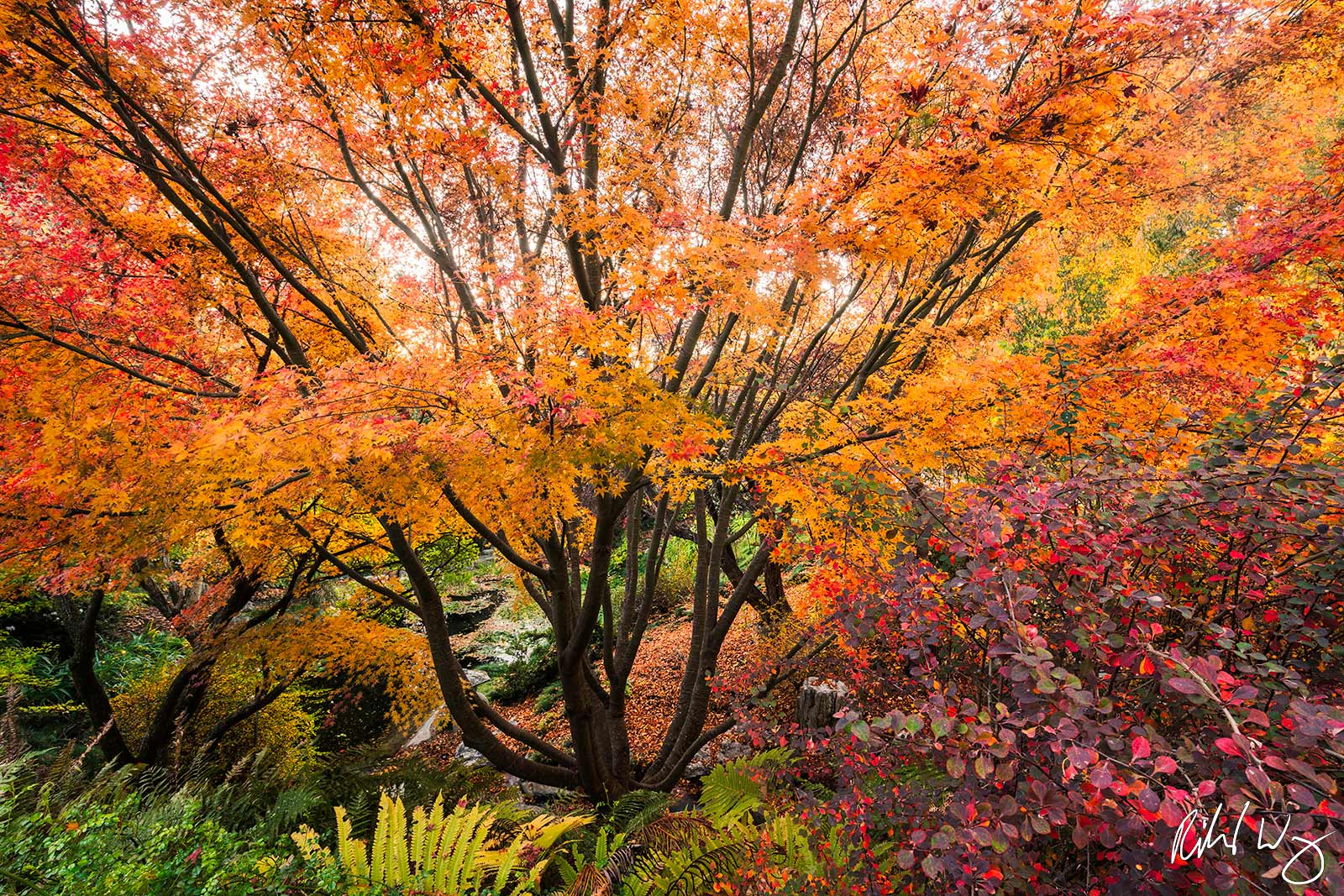
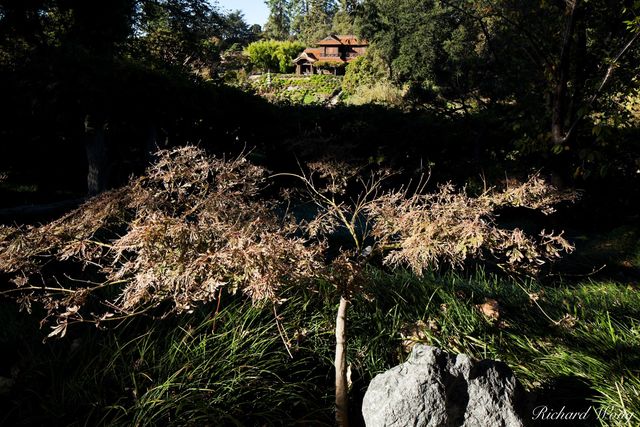
- Japanese maples: Focus on their graceful form, delicate leaves, and seasonal color—from fresh spring greens to fiery autumn reds.
- Moss-covered surfaces: Use macro techniques to highlight the lush textures that soften stone and create the aged patina valued in Japanese aesthetics.
Understanding Japanese Aesthetic Principles
Japanese garden photography becomes richer when informed by traditional aesthetic concepts:
Wabi-sabi: This philosophy finds beauty in imperfection, impermanence, and simplicity. Rather than seeking pristine perfection, wabi-sabi celebrates weathered stone lanterns, moss-covered paths, and organic asymmetry. In my work, this manifests through attention to aged textures, natural decay that adds character, and compositions that embrace irregular forms.
Ma (negative space): The concept of ma emphasizes meaningful emptiness and the space between elements. In photography, this translates to leaving breathing room in compositions, allowing viewers' eyes to rest and creating a sense of calm.
Shakkei (borrowed scenery): Traditional gardens often incorporate distant mountains or landscapes into their design. Photographically, this means being aware of background elements and how they contribute to the overall composition.
Photographing Japanese Gardens Through the Seasons
Spring: New Beginnings
Spring brings cherry blossoms (sakura), fresh green moss, blooming azaleas, and the vibrant emergence of new maple leaves. Focus on delicate pink and white blossoms against darker backgrounds, and capture the soft, diffused light of spring mornings.
Summer: Lush Abundance
Summer showcases vibrant greens, deep shadows, and the feeling of cool tranquility amid heat. Koi ponds are most active, water lilies bloom, and the interplay of light filtering through dense canopies creates dramatic contrast. Early morning or late afternoon shooting helps avoid harsh midday sun.
Autumn: Fire and Reflection
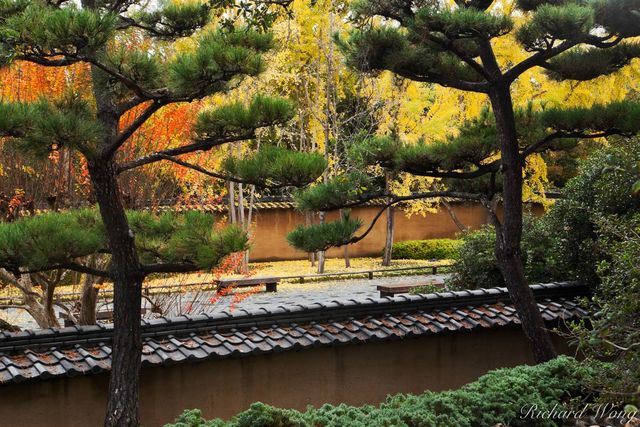
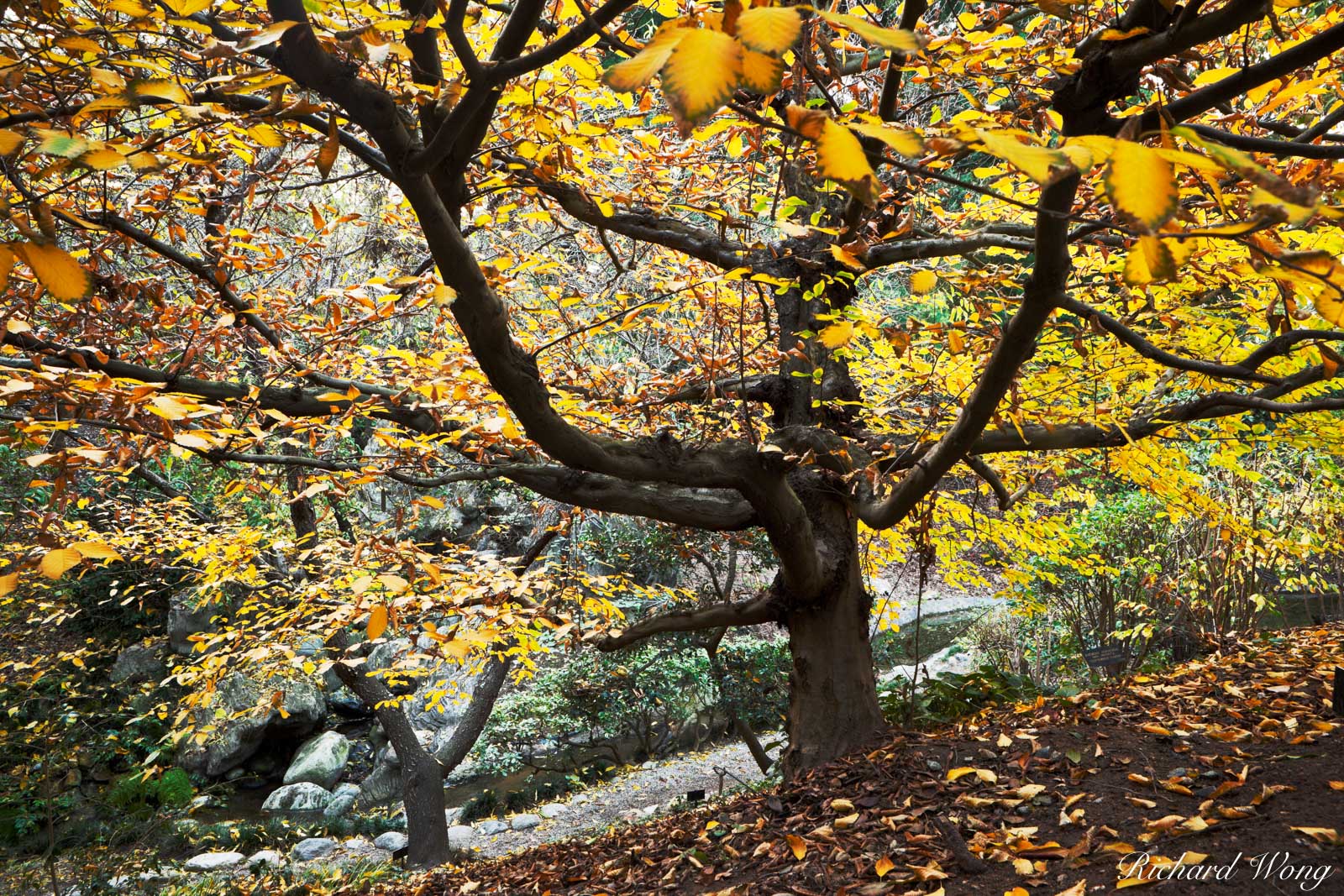
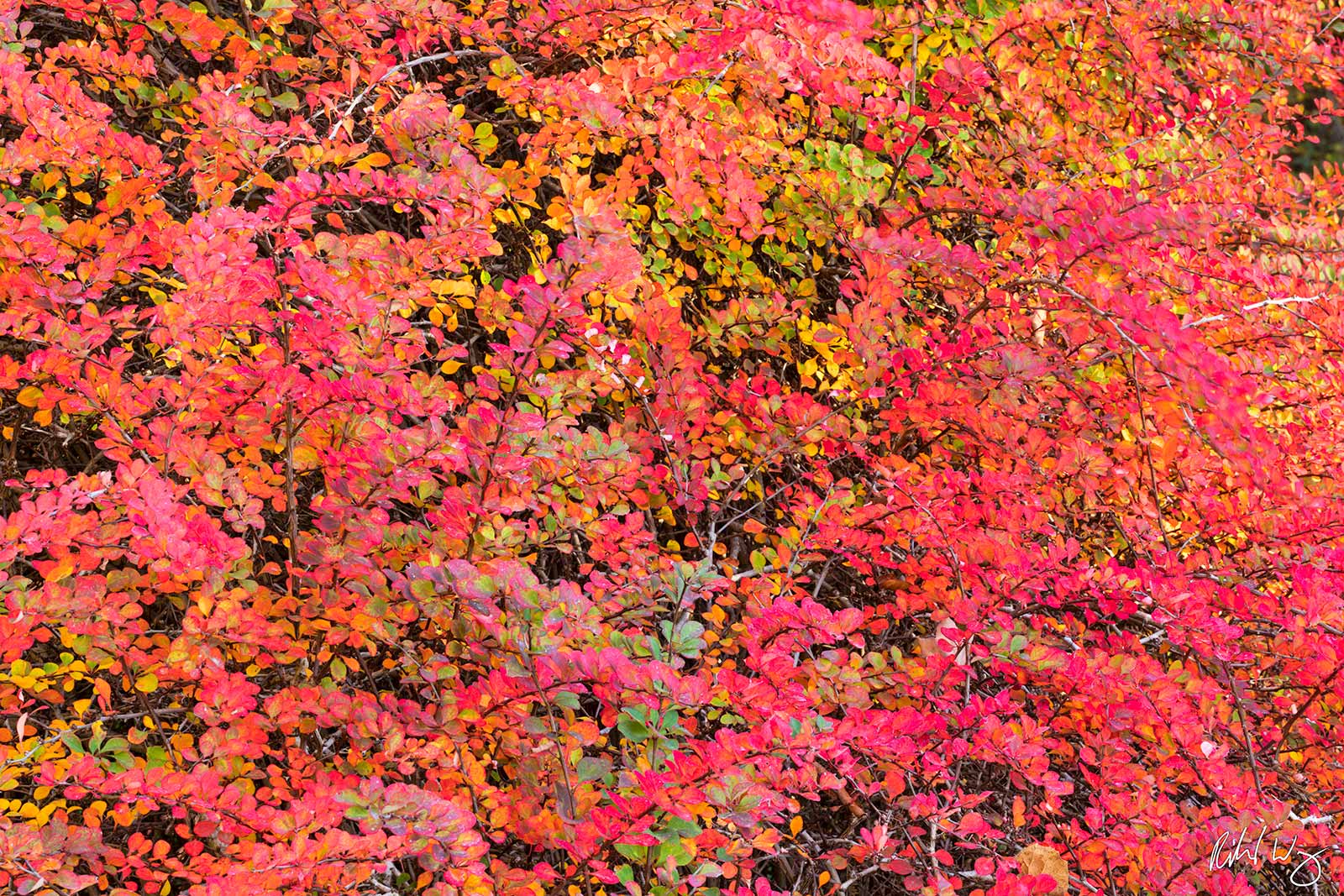
Autumn is peak season for Japanese garden photography. Japanese maples (momiji) transform into brilliant reds, oranges, and golds. Capture reflections in still ponds, backlit leaves, and the contrast between evergreen pines and deciduous color. Photos like "Tree of Inspiration" and "Tree of Radiance" showcase this seasonal drama.
Winter: Quiet Minimalism
Winter reveals the garden's underlying structure. Snow-covered stone lanterns (yukimi-dōrō), stark branches, and simplified compositions emphasize the garden's bones. The subdued palette and clean lines create meditative images that celebrate restraint.
Recommended Camera Settings for Japanese Garden Photography
Aperture
- f/8-f/11: Use for deep depth of field when capturing expansive scenes where you want everything from foreground rocks to background bridges in sharp focus.
- f/2.8-f/4: Choose wider apertures to isolate details like a single maple leaf, water droplet on moss, or the texture of a stone lantern, creating beautiful background blur (bokeh).
Shutter Speed
- Slow speeds (1/4 sec to several seconds): Mount your camera on a tripod to allow slower shutter speeds for smoothing water in streams and waterfalls, creating ethereal effects.
- Faster speeds (1/125 sec or higher): Use when photographing koi fish or when working handheld in bright conditions.
ISO
Keep ISO as low as possible (100-200) to minimize noise and maximize detail, especially important for large fine art prints. Japanese gardens often have shaded areas, so a tripod becomes essential for maintaining low ISO.
Lens Selection
- Wide-angle (16-35mm): Ideal for capturing expansive strolling gardens and establishing shots that show the garden's layout.
- Standard zoom (24-70mm): Versatile for most garden photography, allowing you to capture both wider scenes and tighter compositions.
- Macro (100mm): Excels at highlighting textures like moss on stone lanterns, water droplets, and intimate plant details.
- Telephoto (70-200mm): Useful for compressing perspective and isolating distant elements like pagodas or specific garden features.
Essential Accessories
- Circular polarizer: Reduces glare on water surfaces and wet foliage, deepens blue skies, and increases color saturation.
- Neutral density filter: Allows longer exposures in daylight for silky water effects.
- Sturdy tripod: Essential for low ISO shooting in shaded gardens and long exposures.
Frequently Asked Questions
What are the primary styles of Japanese gardens?
Japanese gardens include Strolling Gardens (Kaiyū-shiki-teien) designed for contemplative walks with reveals around each corner, Dry Landscape Gardens (Karesansui) using raked sand and artfully placed rocks for Zen meditation, and Tea Gardens (Roji) featuring simple, rustic paths leading to teahouses.
What is the best time of day to photograph Japanese gardens?
Early morning (golden hour just after sunrise) and late afternoon (an hour before sunset) provide the most flattering, directional light. Overcast days work beautifully for Japanese gardens, creating soft, even illumination that prevents harsh shadows and highlights the subtle colors and textures.
How do I capture reflections in garden ponds?
For perfect reflections, photograph when water is completely still (early morning before wind picks up), use a circular polarizer to control reflections and reduce glare, and position yourself at a low angle to maximize the reflected area in your composition.
What camera settings work best for autumn maple photography?
Use aperture f/5.6-f/8 for sharpness with pleasing background blur, shoot in RAW format to preserve color information, slightly underexpose by 1/3 to 2/3 stop to maintain color saturation in bright reds, and consider backlighting leaves for luminous, glowing effects.
Should I use a tripod for Japanese garden photography?
Yes, a tripod is highly recommended. Japanese gardens often have shaded areas requiring slower shutter speeds, you'll want to use low ISO (100-200) for maximum image quality, and tripods allow for precise composition and longer exposures for water effects.
Related Galleries: Garden Pictures | Pacific Northwest Photography | Victoria BC Pictures | San Gabriel Valley Pictures | Bay Area Pictures