Photography Insights: Capturing Yellowstone's Essence
Geothermal Features: Technical Challenges and Solutions
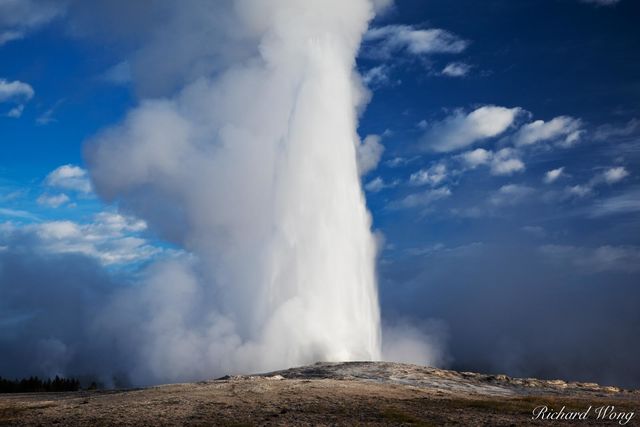
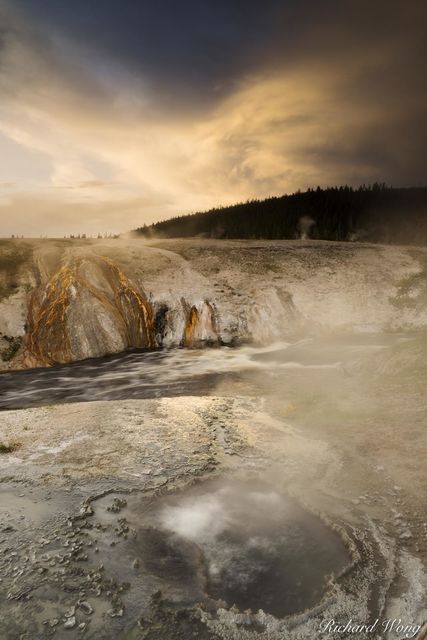
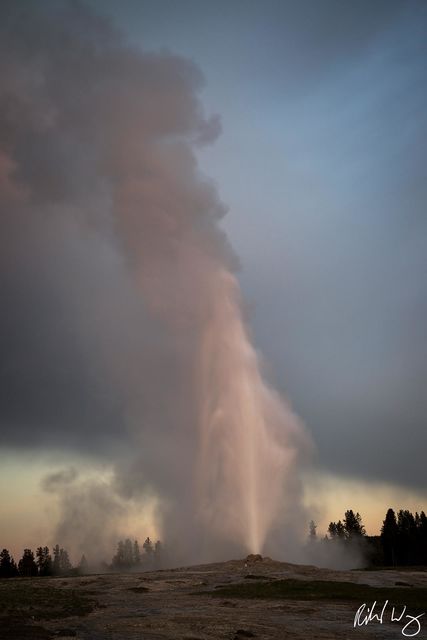
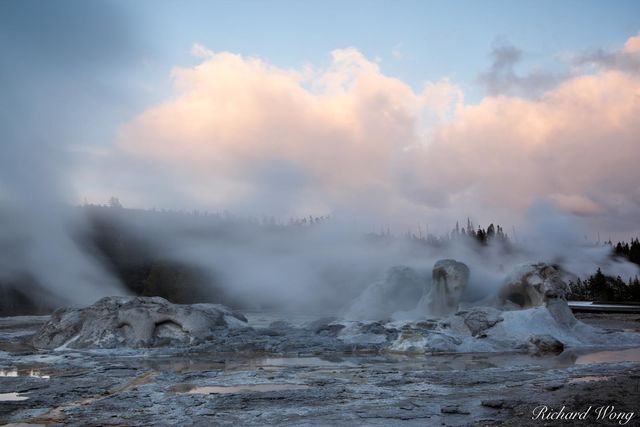
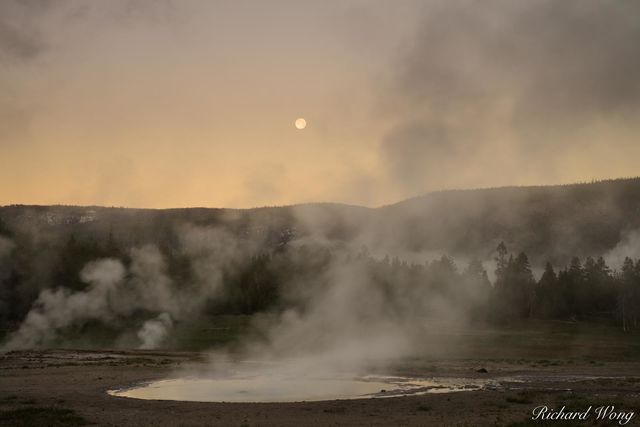
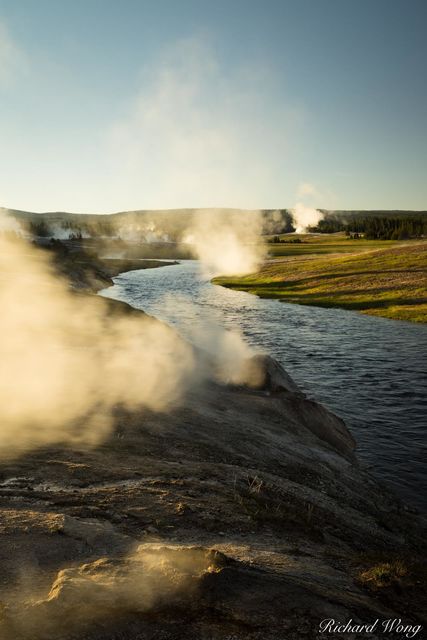
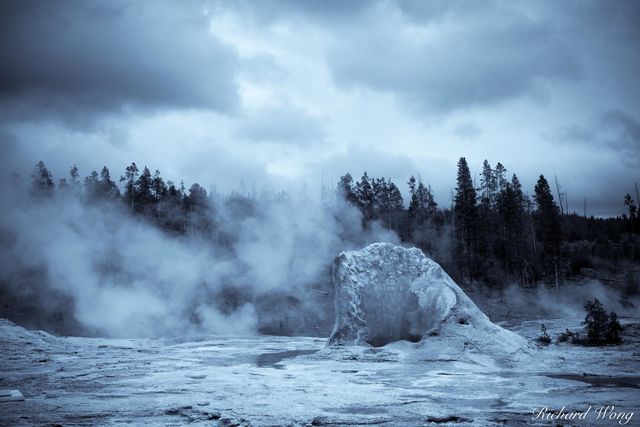
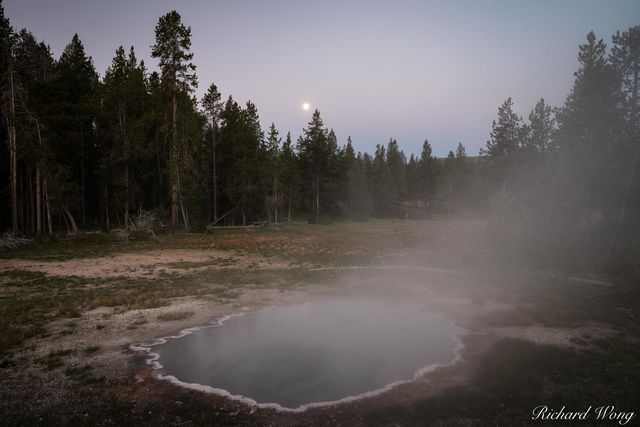
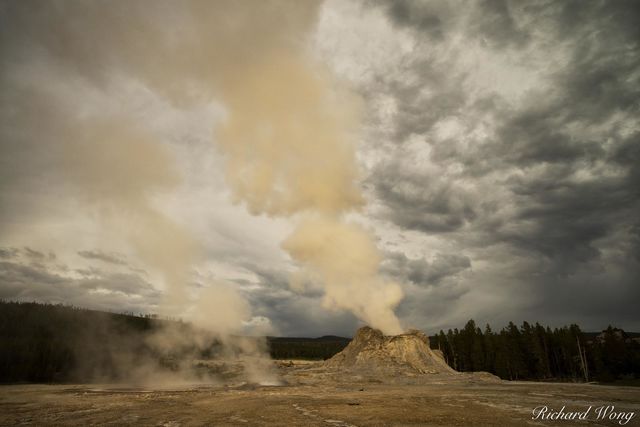
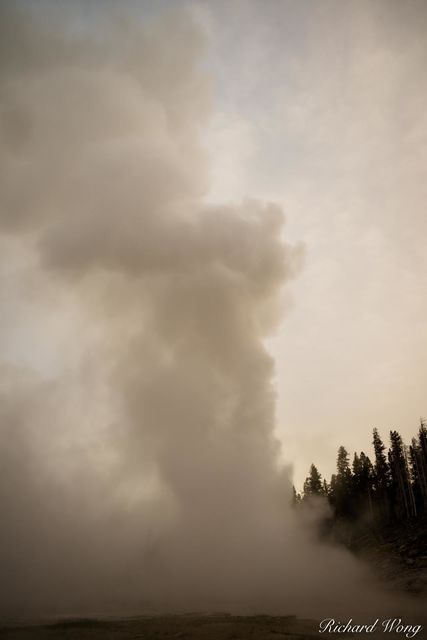
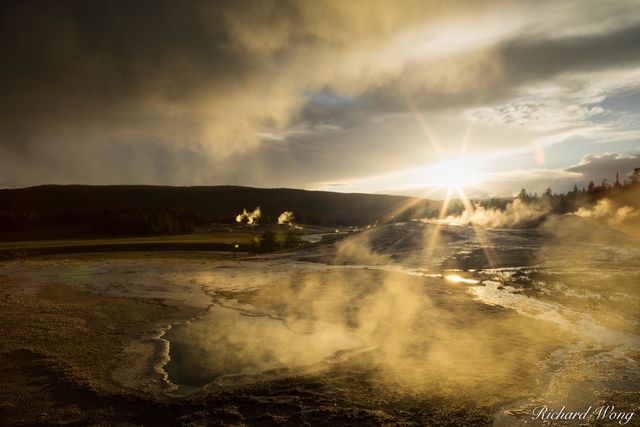
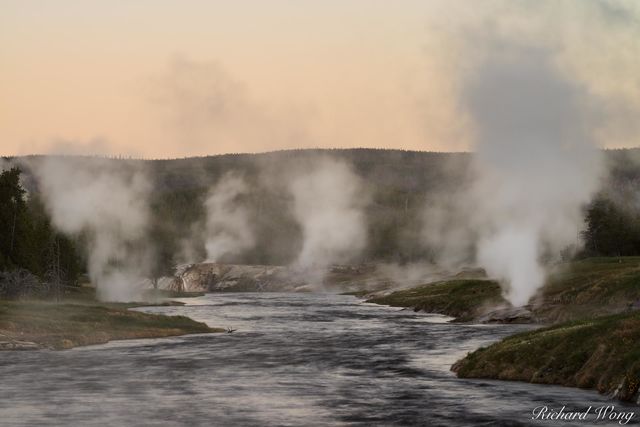
Photographing geysers and hot springs presents unique challenges. The steam can obscure your subject and create thermal distortion that affects image sharpness. Here's how I handle these conditions:
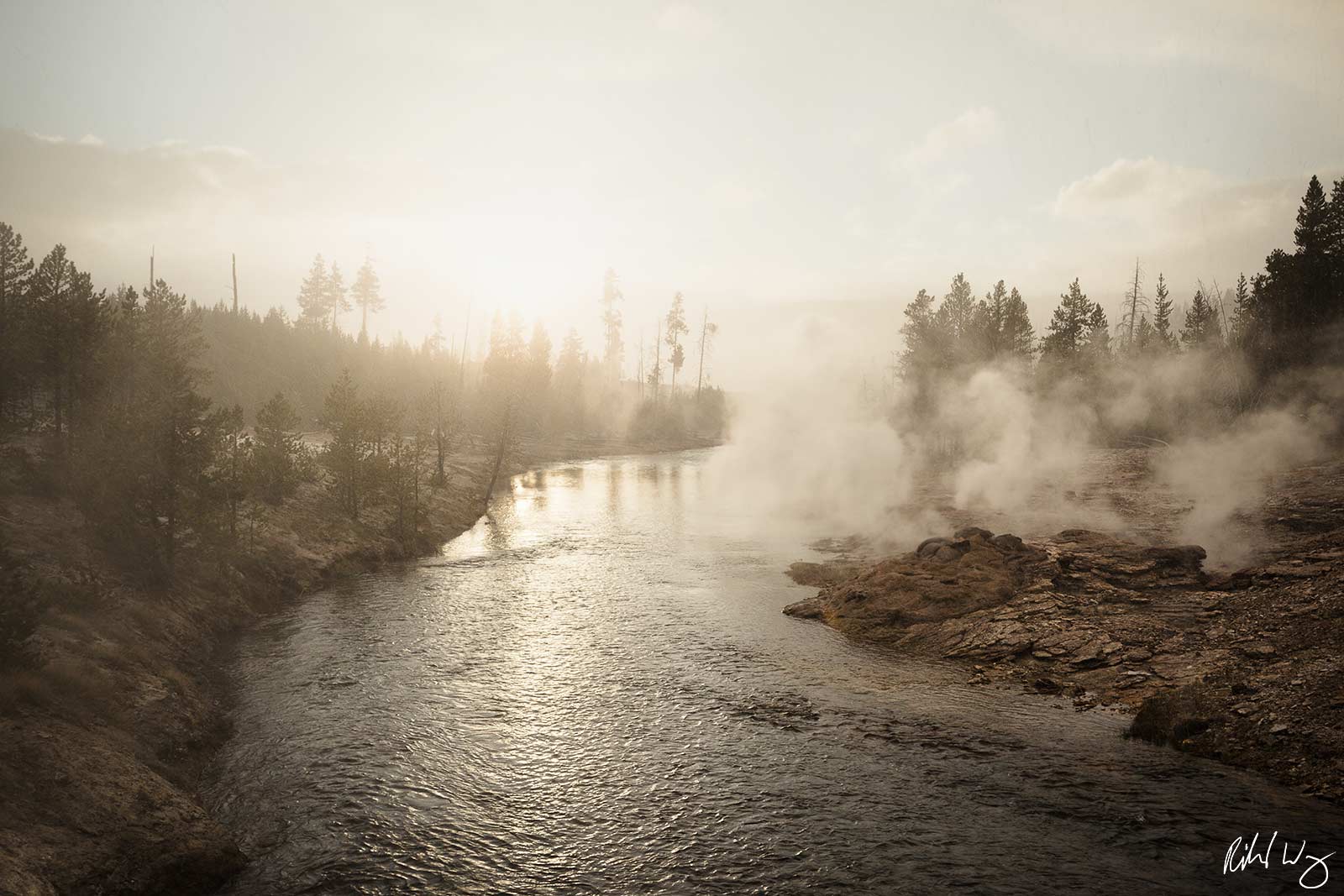
- Timing: I photograph steam features during golden hour when backlighting creates dramatic silhouettes and simplifies compositions
- Positioning: I position myself upwind when possible to avoid steam directly in my lens path
- Lens Choice: Longer focal lengths (200mm+) allow me to maintain distance while still capturing intimate details
- Filters: Polarizing filters help cut through atmospheric haze and reduce glare from wet surfaces
Capturing Geothermal Colors
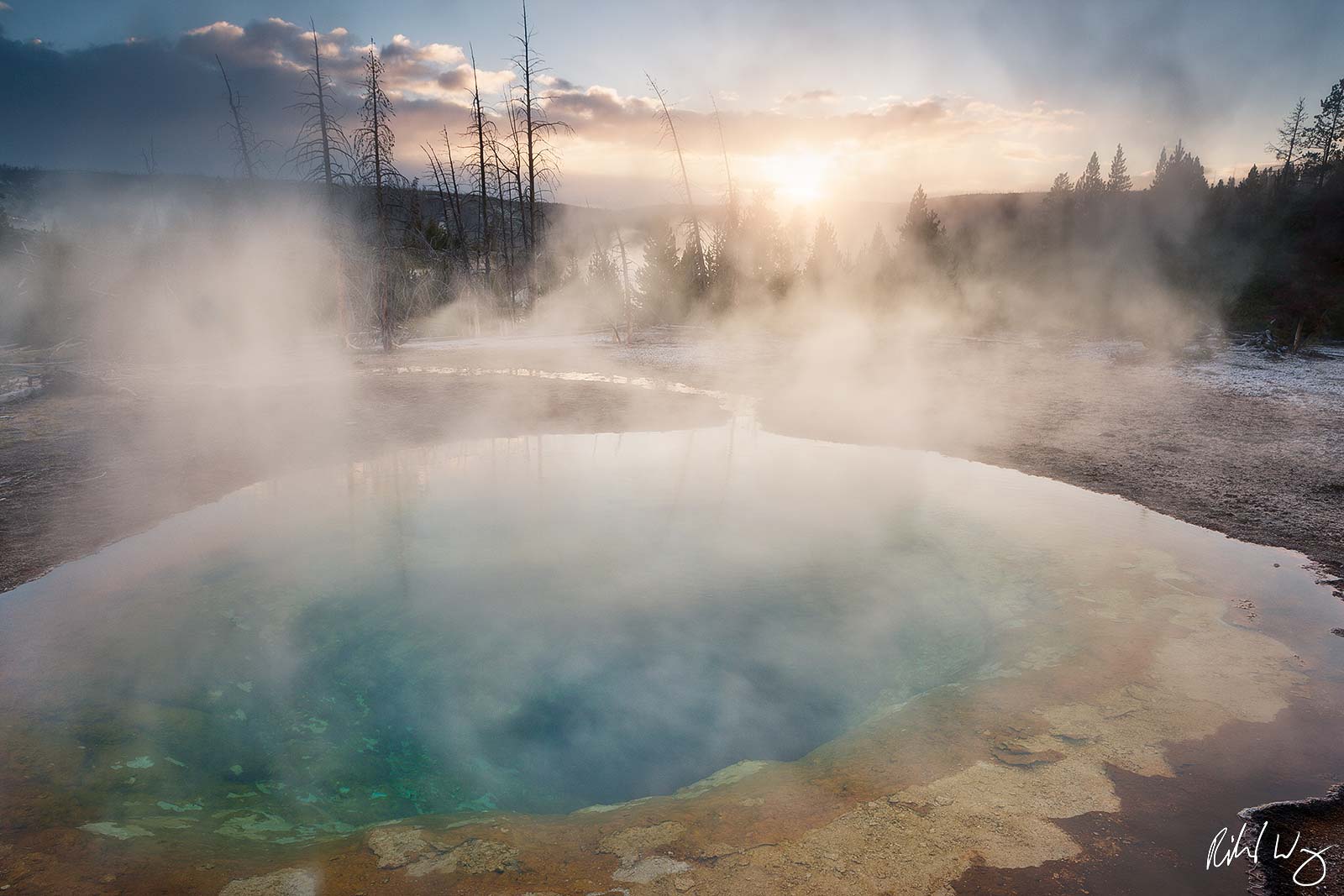
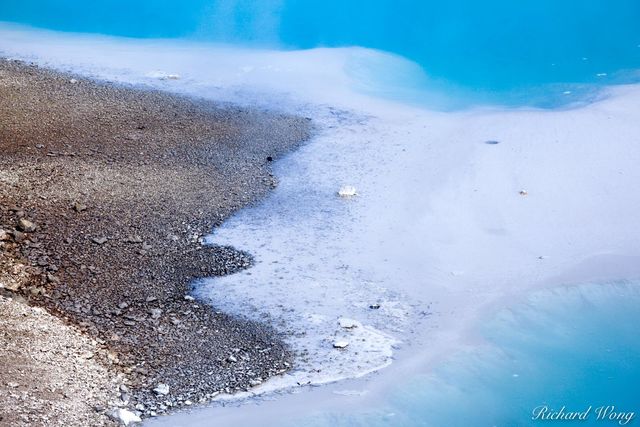
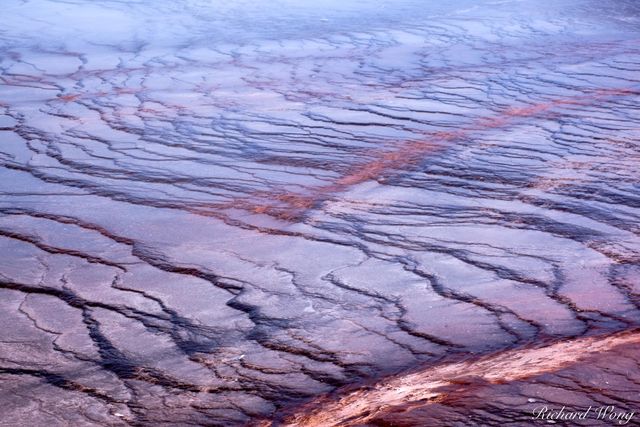
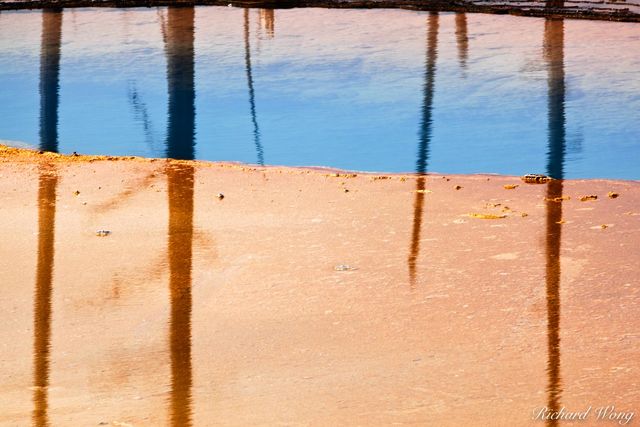
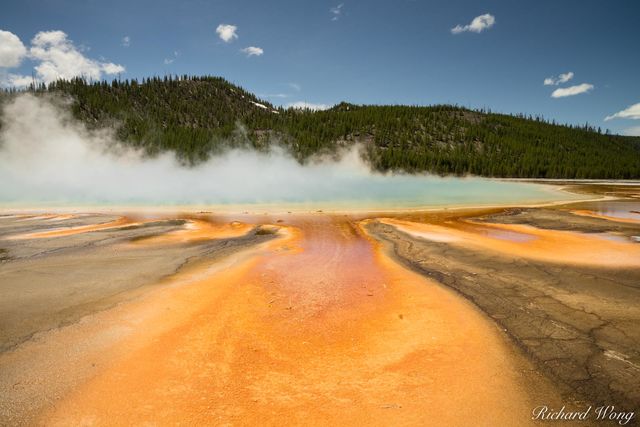
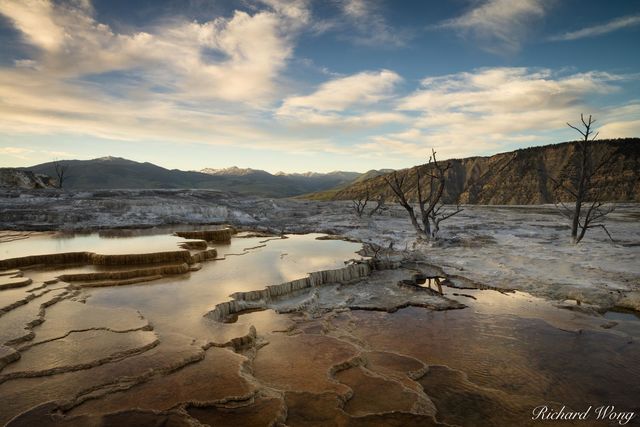
The vibrant colors of Yellowstone's hot springs are created by thermophilic bacteria and mineral deposits. To accurately capture these colors:
- White Balance: I shoot in RAW and adjust white balance in post-processing to ensure color accuracy
- Polarizing Filters: These are essential for reducing surface reflections and saturating colors
- Optimal Timing: Overcast conditions often provide the best lighting for saturating geothermal colors
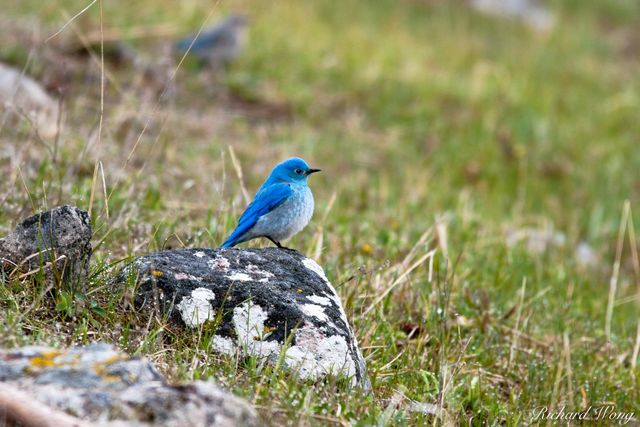
Wildlife Photography in Yellowstone
Yellowstone's wildlife should be respected and photographed safely:
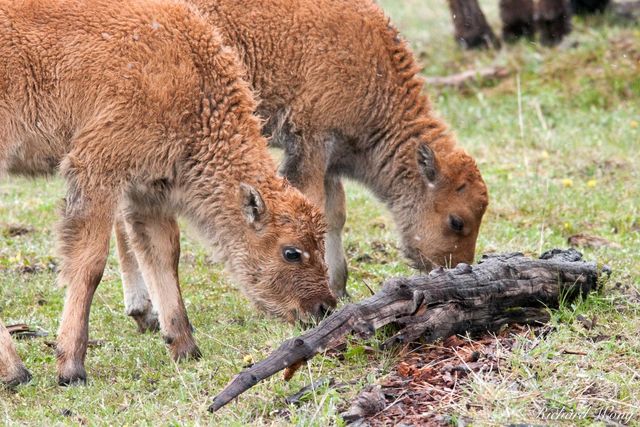
- Minimum Distances: 100 yards for bears and wolves, 25 yards for bison and elk
- Telephoto Lenses: 400mm minimum for wildlife, often requiring 600mm or teleconverters
- Patience: Wildlife photography requires waiting for natural behaviors rather than forcing interactions
Best Wildlife Locations and Timing
| Location | Best Time | Primary Wildlife | Photography Tips |
| Lamar Valley | Dawn/Dusk | Bison, Elk, Wolves | Use valley fog for atmospheric shots |
| Hayden Valley | Early Morning | Bison, Elk, Waterfowl | Position for rim lighting |
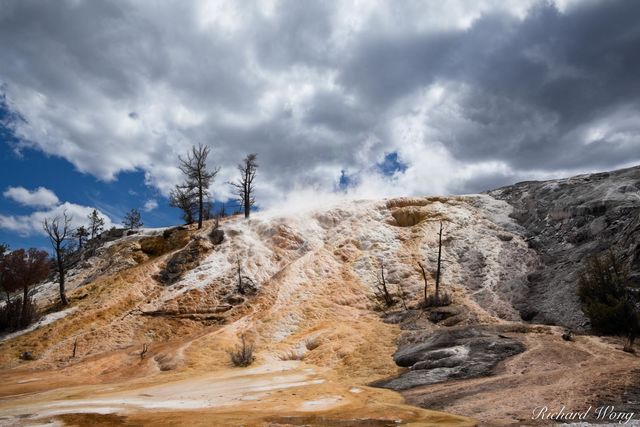
| Mammoth Hot Springs | Year-round | Elk, Bighorn Sheep | Thermal features create interesting backdrops |
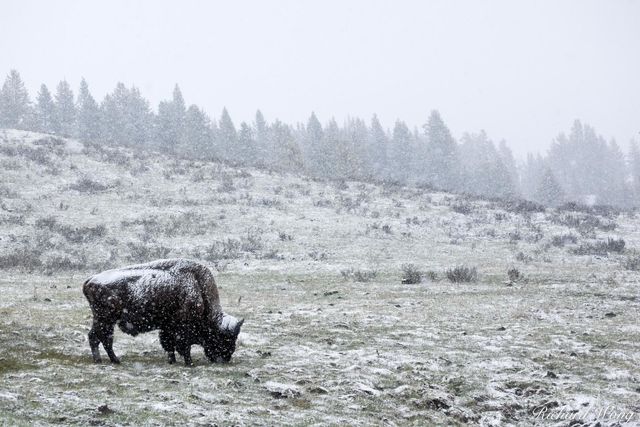
| Madison River | Spring/Fall | Bison | Large herds of bison along the river and often causing traffic jams |
Landscape Photography Techniques
Yellowstone's Unique Lighting Conditions
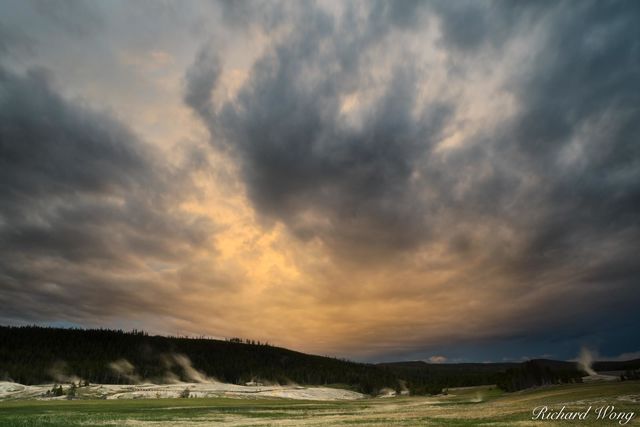
The park's elevation (7,000+ feet) and geothermal features create distinctive lighting:
- High Altitude: Polarizing filters are essential; light is more intense at elevation
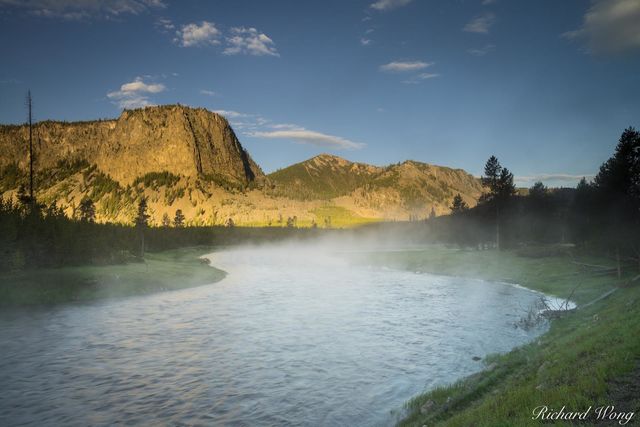
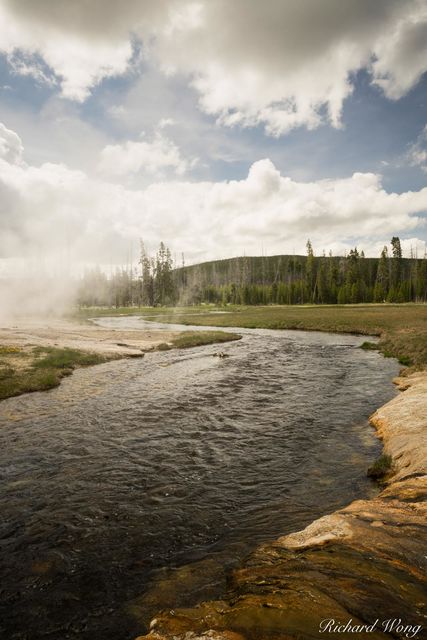
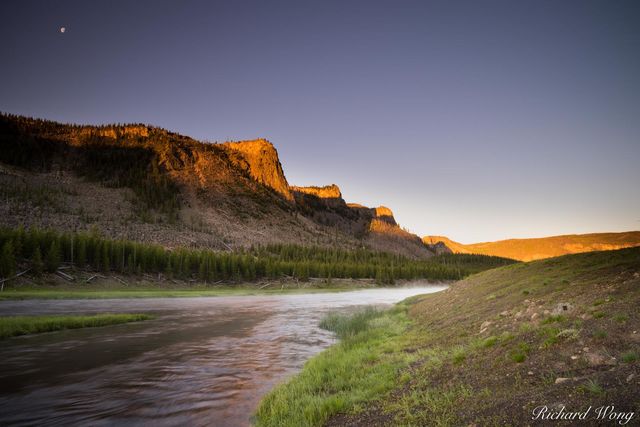
- Thermal Atmosphere: Morning mist from geothermal features creates ethereal conditions
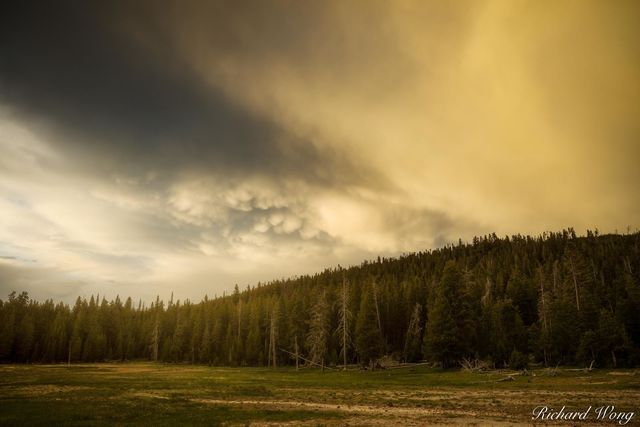
- Seasonal Variations: Winter steam appears more dramatic; summer provides longer golden hours
Essential Camera Settings for Yellowstone
- Aperture: f/8-f/11 for optimal landscape sharpness
- ISO: Keep low (100-400) for maximum image quality; the park's dramatic lighting often provides sufficient illumination
- Focus: Hyperfocal distance focusing for maximum depth of field in landscapes
- Metering: Spot metering for high-contrast scenes involving steam and bright skies
Planning Your Yellowstone Photography Trip
Best Times for Photography
Spring (April-May)
- Advantages: Waterfalls at peak flow, wildlife active, fewer crowds
- Challenges: Unpredictable weather, some roads may be closed
- Photography Focus: Waterfalls, wildlife with young, fresh vegetation
Summer (June-August)
- Advantages: All roads open, longest days, warmest weather
- Challenges: Crowded locations, harsh midday lighting
- Photography Focus: Alpine lakes, high-elevation landscapes, extended golden hour sessions
Fall (September-October)
- Advantages: Fall colors, elk bugling, comfortable temperatures
- Challenges: Shorter days, variable weather
- Photography Focus: Autumn foliage, wildlife behavior, crisp lighting
Winter (November-March)
- Advantages: Snow-covered landscapes, dramatic steam contrast, minimal crowds
- Challenges: Limited road access, extreme cold, shorter days
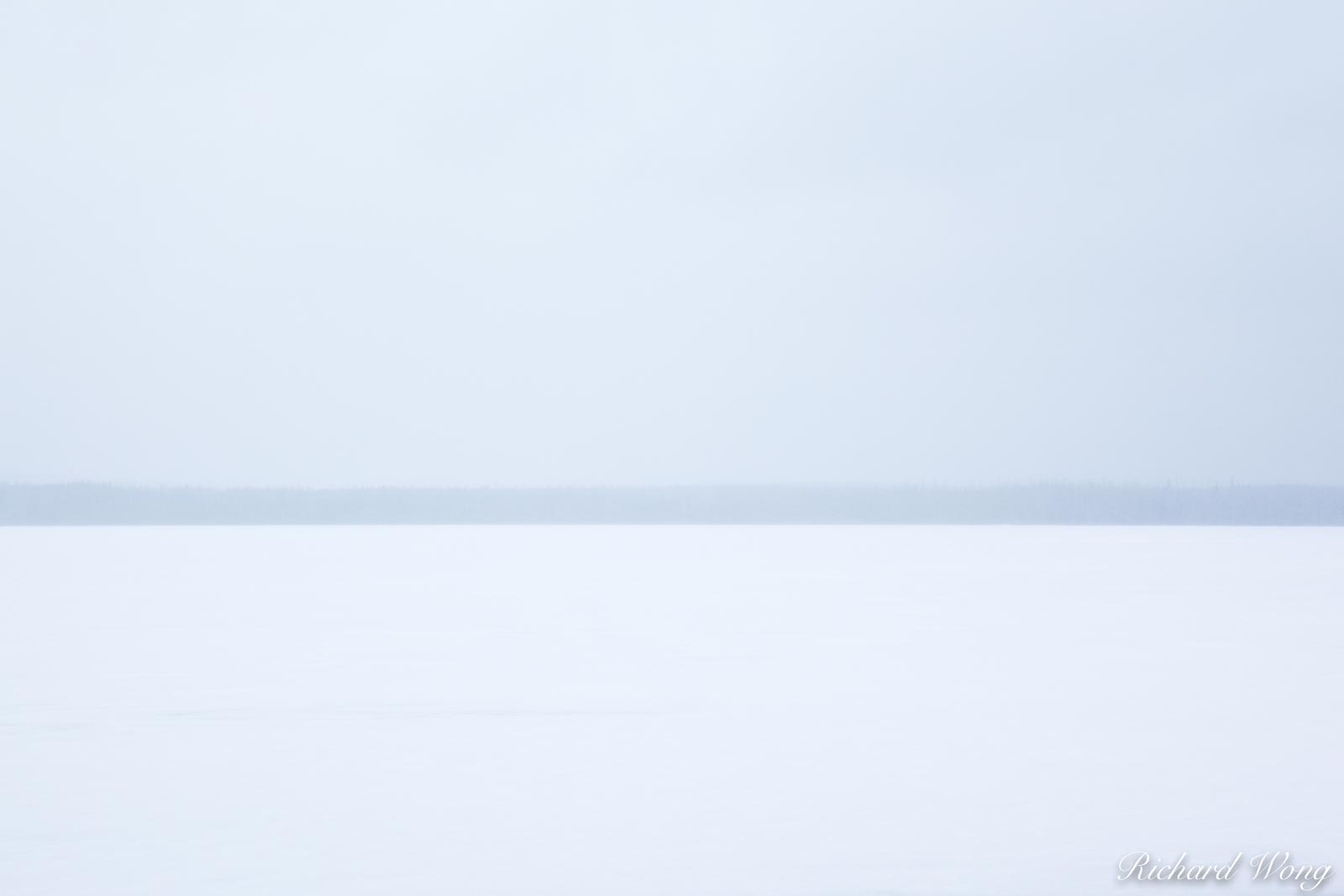
- Photography Focus: Geothermal features in snow, winter wildlife, minimalist compositions
Recommended Photography Gear for Yellowstone
Camera Bodies
- Full-frame sensors handle the park's challenging lighting better
- Weather sealing essential for thermal area humidity and sudden weather changes
Essential Lenses
- Wide-angle (16-35mm): Landscapes, geothermal basins, canyon views
- Standard (24-70mm): Versatile for most situations
- Telephoto (70-200mm): Wildlife, distant landscapes, compression effects
- Super-telephoto (400mm+): Essential for wildlife photography
Filters and Accessories
- Polarizing Filter: Reduces reflections, saturates colors
- Neutral Density Filters: Allows longer exposures for smooth water effects
- Tripod: Essential for low-light conditions and long exposures
- Extra Batteries: Cold weather drains batteries quickly
- Lens Teleconverters: Extend your telephone lens focal length by 1.4x or 2.0x.
Specific Location Recommendations
Upper Geyser Basin
- Best Time: Sunrise or sunset for steam silhouettes
- Key Features: Old Faithful, Grand Geyser, Morning Glory Pool
- Photography Tips: Use boardwalks for unique perspectives, capture eruption predictions
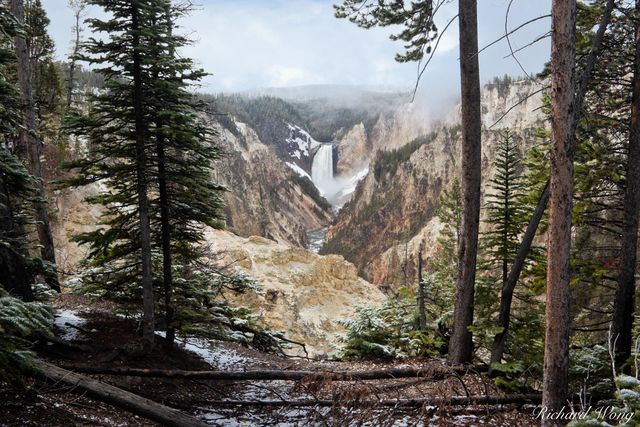
Grand Canyon of Yellowstone
- Best Time: Morning light at Artist Point
- Key Features: Lower Falls, canyon colors, river perspectives
- Photography Tips: Polarizing filter essential, multiple exposures for dynamic range
Norris Geyser Basin
- Best Time: Early morning for steam effects
- Key Features: Steamboat Geyser, Porcelain Basin colors
- Photography Tips: Watch for wind direction, use steam as compositional element
Fine Art Print Information
Each photograph in this gallery is available as a museum-quality fine art print. I offer personal consultations to help you select the perfect print size and medium for your space. My prints are produced using archival inks and papers, ensuring your Yellowstone artwork will last for generations.
Available Print Options:
- TruLife Acrylic: For maximum color saturation and depth
- ChromaLuxe Metal: For vibrant colors and modern appeal
- Canson Infinity Paper: For classic fine art presentation
All printing and shipping are handled by world-class professional print labs, ensuring consistent quality and secure delivery.
About Richard Wong Photography
I've been photographing Yellowstone National Park for over a decade, returning each season to capture its ever-changing moods and conditions. My approach focuses on showcasing the park's raw beauty while respecting its delicate ecosystem. Each image represents not just a moment in time, but a deep appreciation for one of America's greatest natural treasures.
For custom print orders or licensing inquiries, please contact me directly. I'm here to help you find the perfect Yellowstone artwork for your home or office.
Related Galleries: Wildlife Photography | National Park Photography | Fine Art Photography Collections
Be the first to view new artwork releases, be notified of artist events and receive promotional offers.