Art For Home Staging
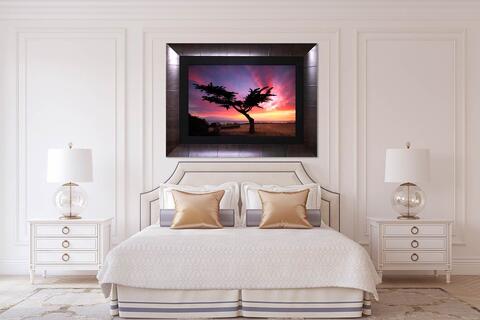
Home staging is the practice of decorating a home for the real estate market. Staging transforms properties into compelling showcases that help potential buyers envision their future lifestyle. While furniture and layout create the foundation, art for home staging serves as the finishing touch that adds warmth, defines spaces, and creates emotional connections with prospective purchasers.
Why Art Matters in Home Staging
Art isn't merely decoration in the staging context—it's a strategic tool that serves multiple functions in property presentation. Well-chosen artwork enhances property appeal by creating focal points, adding personality without being overly personal, and helping buyers imagine themselves living in the space. The right pieces can distract from architectural flaws while highlighting a room's best features, ultimately contributing to faster sales and potentially higher offers.
Understanding Your Target Market: Regional Preferences and Buyer Demographics
Analyzing Local Design Trends
Different geographic regions have distinct preferences that should influence your art selection strategy. Coastal properties benefit from serene beach scenes and nautical themes, while mountain homes resonate with forest landscapes and nature photography. Urban lofts call for abstract or contemporary pieces that complement modern architectural elements.
Regional Art Style Recommendations:
- Coastal Areas: Ocean photography, abstract blues and whites, beach-inspired neutrals
- Mountain/Rural Regions: Forest landscapes, wildlife photography, earth-toned abstracts
- Urban Markets: Geometric abstracts, black and white photography, minimalist compositions
- Suburban Communities: Soft landscapes, floral photography, warm neutral abstracts
Buyer Demographic Considerations
The target buyer demographic significantly influences art selection effectiveness. Young professionals often respond to bold, contemporary pieces, while families prefer calming, approachable artwork. Empty nesters may appreciate sophisticated abstracts or classic landscapes. Consider the typical buyer for each property type when making selections.

Maui Morning
7 Critical Factors to Consider When Choosing Art For Home Staging
1. Architectural Style Harmony
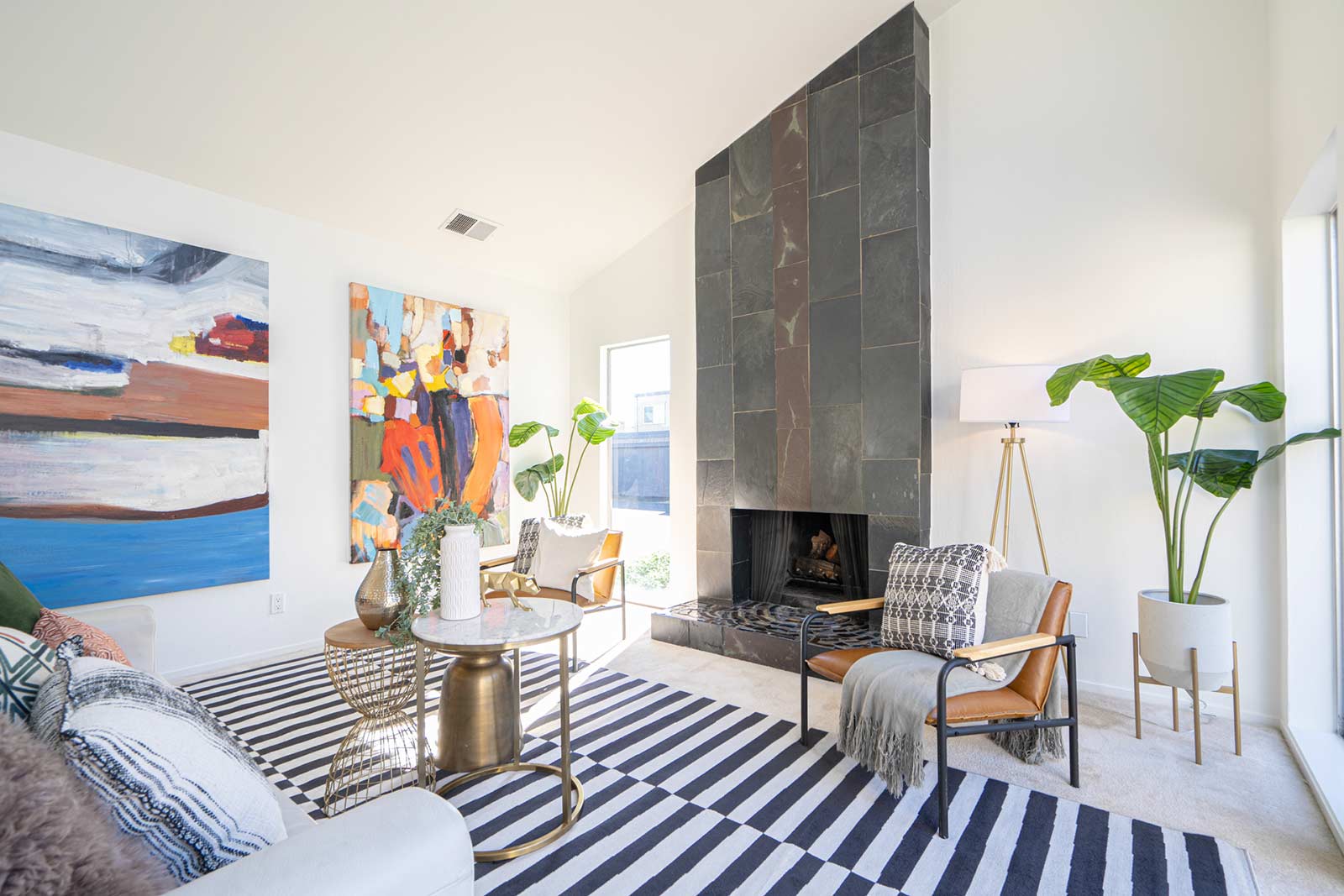
Match artwork to the home's architectural character. Traditional homes benefit from classic landscapes and timeless photography, while contemporary spaces shine with abstract compositions and modern art pieces. Mid-century modern properties work well with geometric abstracts and vintage-inspired photography.
2. Strategic Color Palette Selection
Choose art that subtly incorporates the room's existing color scheme without overwhelming the space. Neutral palettes with subtle color accents create broad appeal for prospective homebuyers while maintaining visual interest. Avoid jarring colors or rainbow combinations that might alienate potential buyers.
Effective Color Strategies:
- Monochromatic schemes with varying tones
- Complementary colors in muted intensities
- Neutral bases with single accent colors
- Natural earth tones for universal appeal
3. Scale and Proportion Mastery
Proper sizing creates visual balance and prevents artwork from overwhelming or disappearing in the space. Large walls accommodate statement pieces, while smaller spaces benefit from carefully proportioned artwork that allows the wall to breathe.
Sizing Guidelines:
- Living Room: 60-75% of furniture width for pieces above sofas
- Dining Room: 50-60% of table width for pieces above buffets
- Bedrooms: 40-50% of headboard width for above-bed placement
- Hallways: Multiple smaller pieces or single medium-sized works
4. Theme and Subject Matter Relevance
Select artwork that resonate with the property's location and likely buyer preferences. Coastal properties benefit from water scenes, while desert homes can feature either desert imagery or water elements as aspirational focal points. Avoid overly specific local references that might limit appeal.
5. Lighting Considerations
Factor in both natural and artificial lighting when selecting and placing artwork. Photography with good contrast works well in various lighting conditions, while subtle pieces may get lost in dimly lit spaces. Consider how artwork will appear at different times of day during showings.
6. Strategic Placement for Maximum Impact
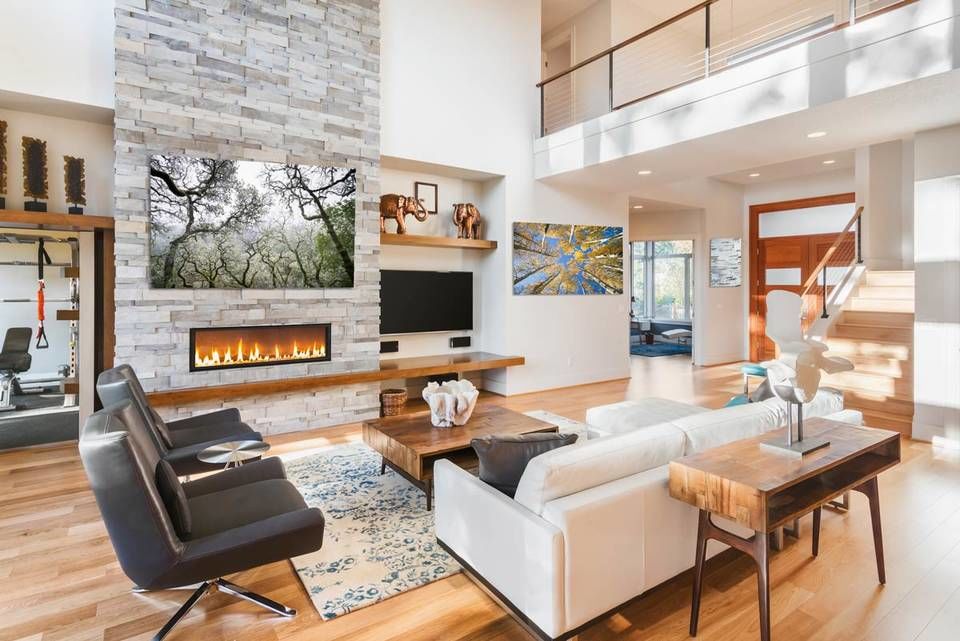
Position artwork to create focal points and guide traffic flow through the property. Statement pieces work well above fireplaces or in prominent hallways, while smaller works can add interest to transitional spaces and secondary rooms.
Room-Specific Placement Strategies:
- Living Room: Above seating areas to create conversation zones
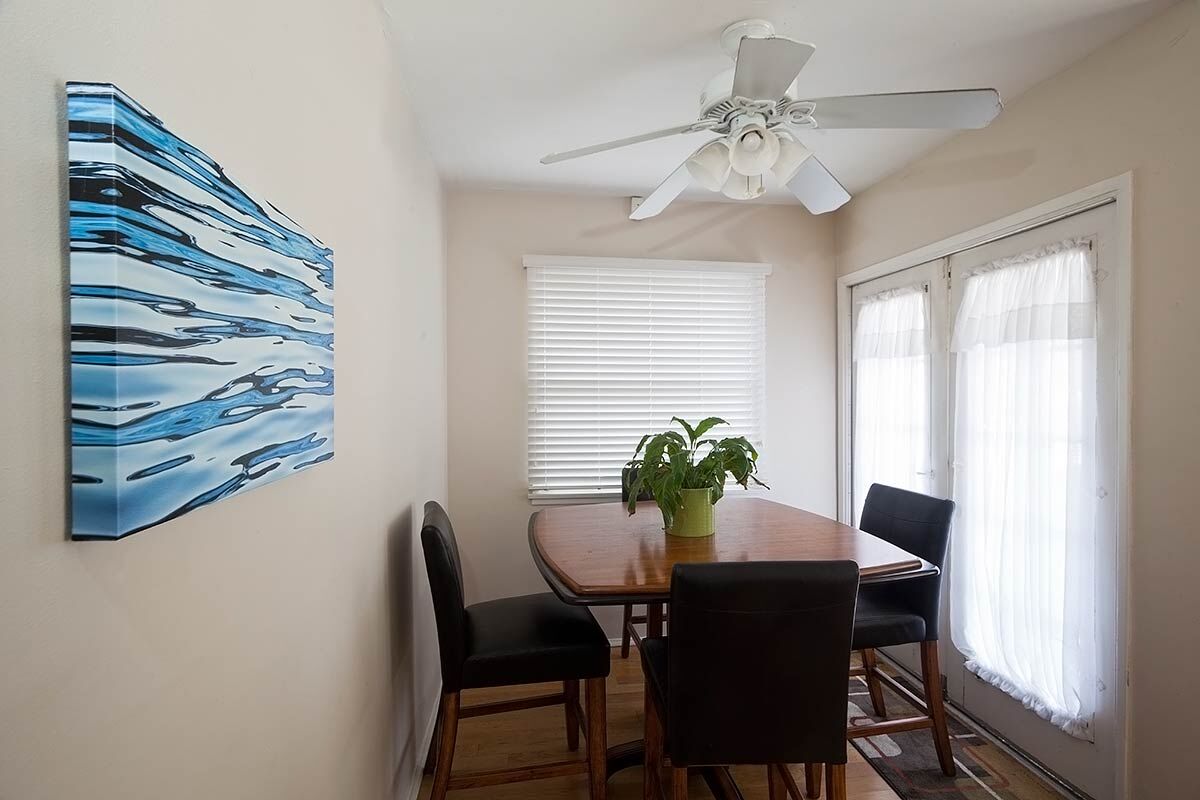
- Dining Room: On the wall opposite the entrance to draw the eye
- Master Bedroom: Above the headboard as a calming focal point
- Entryway: Welcome guests with an impactful first impression
7. Broad Appeal and Neutral Content
Avoid controversial subjects, overly personal imagery, or highly specific artistic styles that might alienate potential buyers. The goal is creating emotional connection without imposing particular tastes or beliefs.

The Land of the Giants
Room-by-Room Art Selection Guide
Living Room Art Strategy
The living room serves as the home's main gathering space and requires artwork that creates warmth while maintaining sophistication. Choose pieces that complement seating arrangements and establish the room's focal point hierarchy.
Recommended Styles:
- Large-scale abstract photography above the main seating area
- Landscape photography that reflects the local environment
- Neutral abstracts that add texture without competing with furniture
Bedroom Art for Tranquil Appeal
Bedrooms require calming artwork that promotes relaxation while adding visual interest. Avoid overly stimulating colors or subjects that might feel too personal or distracting.
Ideal Choices:
- Soft landscape photography in muted tones
- Abstract compositions in blues, greens, or warm neutrals
- Nature photography with peaceful, serene subjects
Dining Room Enhancement
Dining areas benefit from artwork that encourages lingering and conversation while complementing the space's functional nature.
Effective Options:
- Still life photography or subtle food imagery
- Abstract pieces that don't compete with table settings
- Landscape photography that creates a pleasant backdrop for meals
Kitchen and Bath Considerations
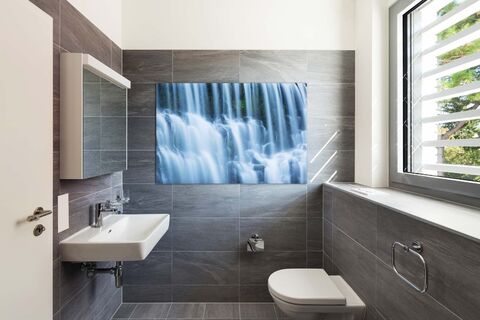
These functional spaces often have limited wall space but still benefit from carefully chosen small-scale artwork that adds personality without overwhelming the practical elements.
Sourcing Art for Home Staging: Local and Regional Resources
Professional Art Rental Services
Many markets offer specialized art rental services designed specifically for home staging. These services provide professionally curated collections with flexible terms and installation support.
Benefits of Art Rental:
- Cost-effective for temporary staging needs
- Professional curation and selection guidance
- Installation and removal services included
- Insurance coverage during rental period
Local Gallery Partnerships
Establish relationships with local galleries that offer staging programs or flexible purchase terms. Many galleries welcome the exposure that staging provides and may offer favorable pricing for staging professionals.
Regional Artist Collaborations
Work with local artists such as myself (Richard Wong Photography) whose style aligns with staging needs. This approach can provide unique pieces while supporting the local art community and potentially offering cost advantages.
Online Resources for Staging Art
Numerous online platforms specialize in affordable prints and reproductions suitable for staging. These resources offer quick access to diverse styles and subjects with fast shipping options.
Budget Planning for Staging Art
Investment Levels by Property Value
Allocate art budget based on property value and expected return on staging investment. Higher-value properties warrant more substantial art investments, while modest homes benefit from carefully selected affordable pieces.
Budget Guidelines:
- Luxury Properties ($1M+): $2,000-5,000 for comprehensive art package
- Mid-Range Homes ($500K-1M): $800-2,000 for key pieces
- Entry-Level Properties (<$500K): $300-800 focusing on high-impact areas
Cost-Effective Sourcing Strategies
Maximize art impact while managing costs through strategic sourcing and selection. Focus budget on high-visibility areas while using more affordable options in secondary spaces.
Installation and Presentation Best Practices
Professional Hanging Techniques
Proper installation ensures artwork appears polished and intentional. Use appropriate hardware for wall types and ensure pieces hang level and at correct heights.
Height Guidelines:
- Standard Height: 57-60 inches from floor to center of artwork
- Above Furniture: 6-8 inches above furniture tops
- Gallery Walls: Maintain 2-3 inches between pieces
Lighting Enhancement
Enhance artwork visibility through strategic lighting. Use existing fixtures effectively or add temporary lighting solutions that highlight key pieces without creating harsh shadows or glare.
Measuring Success: Art's Impact on Property Sales
Tracking Performance Metrics
Monitor how art choices affect buyer response, showing feedback, and ultimate sale results. Document successful combinations for future reference and continuous improvement.
Key Metrics:
- Time on market compared to similar unstaged properties
- Number of showings and second visits
- Buyer feedback specifically mentioning the home's appeal
- Final sale price relative to asking price
Continuous Improvement
Refine art selection strategies based on market response and changing buyer preferences. Stay current with design trends while maintaining timeless appeal that works across various buyer demographics.
Art as Strategic Investment in Property Success
Art for home staging represents more than aesthetic enhancement—it's a strategic investment in property marketability. By carefully considering regional preferences, buyer demographics, and proper selection criteria, staging professionals can create environments that resonate with potential buyers and contribute to successful property sales.
The key lies in understanding art's functional role within the staging process: creating emotional connections, enhancing architectural features, and helping buyers envision their future lifestyle within the space. When executed thoughtfully, art becomes an invisible yet powerful tool that transforms properties from mere houses into compelling homes that buyers can't resist.
Ready to enhance your staging projects with professional fine art photography? Explore my curated collection of over 1,000 landscape and nature photographs specifically selected for home staging. From ready-to-frame prints to premium ChromaLuxe Metal and TruLife® Acrylic face-mounted pieces, I offer comprehensive art solutions tailored to your staging needs.